Dr. Gustavo Explains Why Trust Is the True Coin of the Realm in Leadership
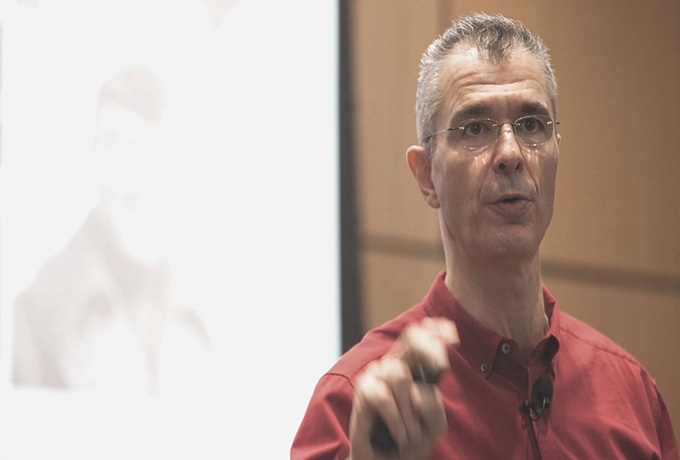
Every successful organization has one invisible asset that shapes its culture, influences performance, and determines long-term success. That asset is trust. While many leaders focus on strategy, technology, or financial growth, sustainable results often depend on something much deeper: the confidence people have in one another.
Dr Gustavo emphasizes that trust is the true "coin of the realm" in leadership because it fuels collaboration, strengthens relationships, and creates workplaces where people willingly contribute their best work. Trust cannot be purchased or demanded. It must be earned through consistent actions, honest communication, and genuine respect.
Whether you lead a small business, manage a growing team, or oversee a large organization, understanding the value of trust can transform the way your people work together.
Why Dr Gustavo Believes Trust Is Leadership's Most Valuable Currency
Leadership is built on influence, not authority alone. Employees may follow a manager because of their position, but they choose to trust a leader because of their character.
Trust becomes the foundation for:
- Better communication
- Faster decision-making
- Greater innovation
- Stronger teamwork
- Higher employee engagement
- Long-term organizational resilience
When trust exists, employees spend less time protecting themselves and more time solving problems, sharing ideas, and helping one another succeed.
Organizations with strong trust cultures often experience higher productivity, improved retention, and greater customer satisfaction because positive internal relationships naturally extend to external interactions.
The Building Blocks of Trust
Trust is developed through many small actions repeated consistently over time.
Integrity
People trust leaders whose words match their actions.
Keeping promises, admitting mistakes, and acting ethically create confidence that leadership decisions are based on fairness rather than personal interests.
Competence
Employees also trust leaders who demonstrate expertise and sound judgment.
Competence does not mean knowing everything. It means making informed decisions, seeking expert advice when necessary, and continuously learning.
Consistency
Predictable leadership creates psychological safety.
When expectations constantly change without explanation, uncertainty grows and trust declines.
Transparency
Honest communication builds credibility.
Sharing both successes and challenges helps employees understand the bigger picture instead of relying on assumptions or workplace rumors.
How Trust Improves Organizational Performance
Trust affects nearly every aspect of business operations.
Better Collaboration
Teams with high trust communicate openly.
Instead of hiding mistakes, employees work together to solve problems quickly.
Faster Innovation
Innovation requires people to share ideas without fear of criticism.
When trust exists, creativity flourishes because employees feel comfortable experimenting and learning from failure.
Higher Employee Engagement
People who trust their leaders are more likely to:
- Take initiative
- Accept responsibility
- Support organizational goals
- Stay committed during difficult periods
Engaged employees often become advocates for both the organization and its culture.
Practical Ways Leaders Can Build Trust Every Day
Building trust does not require dramatic leadership changes.
Small, consistent behaviors create lasting impact.
Listen Before Responding
Active listening demonstrates respect.
Employees appreciate leaders who genuinely seek to understand concerns before offering solutions.
Communicate Clearly
Explain not only what decisions are being made but also why they matter.
Context helps employees feel included rather than controlled.
Admit Mistakes
Leaders who acknowledge errors demonstrate confidence and authenticity.
This encourages accountability throughout the organization.
Recognize Contributions
Regular appreciation reinforces trust and motivates continued excellence.
Recognition does not always require financial rewards.
Simple, sincere acknowledgment often has a significant impact.
Follow Through
Every promise kept strengthens credibility.
Every broken promise weakens it.
Consistency remains one of leadership's greatest trust-building tools.
Common Mistakes That Damage Trust
Even experienced leaders can unintentionally reduce trust.
Avoid these common pitfalls:
- Making promises that cannot be fulfilled
- Micromanaging employees
- Avoiding difficult conversations
- Playing favorites
- Withholding important information
- Ignoring employee feedback
- Blaming others for mistakes
Trust is difficult to build but surprisingly easy to lose.
Recovering damaged trust requires honesty, accountability, and sustained effort.
Real-World Example
Imagine two department managers leading similar teams.
The first manager rarely explains decisions, frequently changes priorities, and only communicates during problems.
The second manager shares updates regularly, asks for employee input, admits mistakes openly, and consistently recognizes team achievements.
Over time, the second team's members become more collaborative, innovative, and willing to support one another because they trust their leader's intentions.
This simple example illustrates why Dr Gustavo describes trust as leadership's true currency.
Expert Insight
Modern workplaces are changing rapidly.
Hybrid work, artificial intelligence, and global collaboration make trust even more valuable than before.
When employees cannot interact face-to-face every day, communication quality and leadership credibility become essential.
Organizations that intentionally build trust often adapt faster during change because employees believe leadership is acting in everyone's best interest.
Rather than relying solely on policies or procedures, successful companies develop cultures where trust guides everyday decisions.
Key Takeaways
- Trust is earned through consistent leadership behaviors.
- Honest communication strengthens workplace relationships.
- Trust encourages innovation and collaboration.
- Employees perform better when psychological safety exists.
- Small daily actions create lasting organizational trust.
- Leadership credibility directly influences team performance.
- Building trust requires patience but delivers long-term business value.
Conclusion
As Dr Gustavo explains, trust truly is the coin of the realm in leadership. It creates stronger teams, improves communication, encourages innovation, and helps organizations navigate uncertainty with confidence.
Leaders who invest in trust are investing in every future success their organization will achieve. While technology, processes, and strategies continue to evolve, trust remains the foundation that allows people to perform at their highest potential.
Building trust is not a one-time initiative. It is a daily commitment demonstrated through honesty, consistency, empathy, and accountability.
Frequently Asked Questions
1. Why does Dr Gustavo describe trust as the coin of the realm?
Because trust influences every leadership interaction, enabling stronger communication, collaboration, and organizational performance.
2. How can leaders build trust with employees?
By communicating honestly, keeping commitments, listening actively, recognizing contributions, and acting consistently.
3. Why is trust important in today's workplace?
Trust helps organizations adapt to change, improve employee engagement, encourage innovation, and strengthen team relationships.
4. Can trust be rebuilt after it is lost?
Yes. Rebuilding trust requires transparency, accountability, consistent behavior, and patience over time.
5. How does trust affect business results?
High-trust organizations often experience improved productivity, employee retention, customer satisfaction, and overall organizational resilience.
Author: Dr. Gustavo Grodnitzky
Who We Are
Dr. Gustavo is a leading expert and keynote speaker in the psychology of organizational culture and its impact on people and profits.
After obtaining his Ph.D. in clinical and school psychology, Dr. Gustavo completed postdoctoral programs in both cognitive therapy and forensic psychology before becoming a business consultant. For the last 20+ years, he has helped companies of all sizes, from Global 1000 companies, to small and medium businesses, make concrete, long-lasting culture shifts that directly impact employee performance and profits.
As a professional keynote speaker, Dr. Gustavo has delivered more than 2,500 presentations on topics including corporate culture, emotional intelligence, the multigenerational workforce, and more. In the wake of COVID-19, he has earned a reputation as an exceptional and memorable virtual keynote speaker and online course instructor, bringing his research-backed methodologies to an even wider array of companies in both English and Spanish.
Contact Us
Dr. Gustavo Grodnitzky
1551 Larimer St #2103, Denver, Colorado, 80202, USA
818-472-9344
Find Us Online
